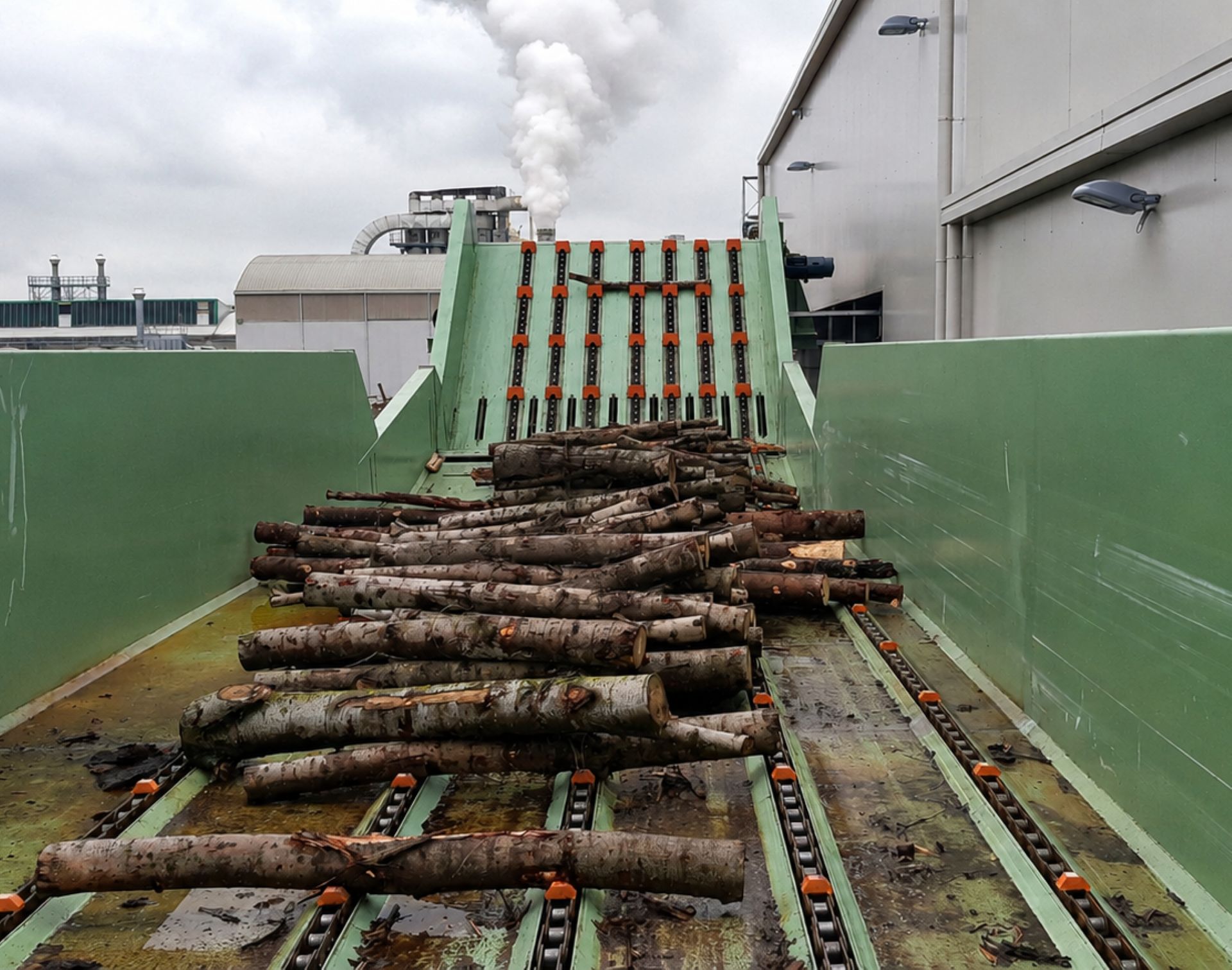
Log-cutting lines

Log-cutting lines

We design and manufacture complete systems for the loading and unloading of log sawing machines, taking into account the dimensions of the logs and sawn timber, the types of timber to be processed and the production objectives.

Each system is bespoke. Consulting with the client enables us to understand their requirements, assess feasibility and determine the most suitable configuration.

We are able to automate the main types of log saws:

  • traditional log saws;
  • inclined log saws;
  • double-cut log saws;
  • tandem double-column log saws.

Our solutions meet the needs of a wide range of production set-ups, from small craft businesses to large enterprises processing high volumes of material.

During the quotation stage, we precisely define the production objectives and the available budget, so as to propose the most suitable solution.
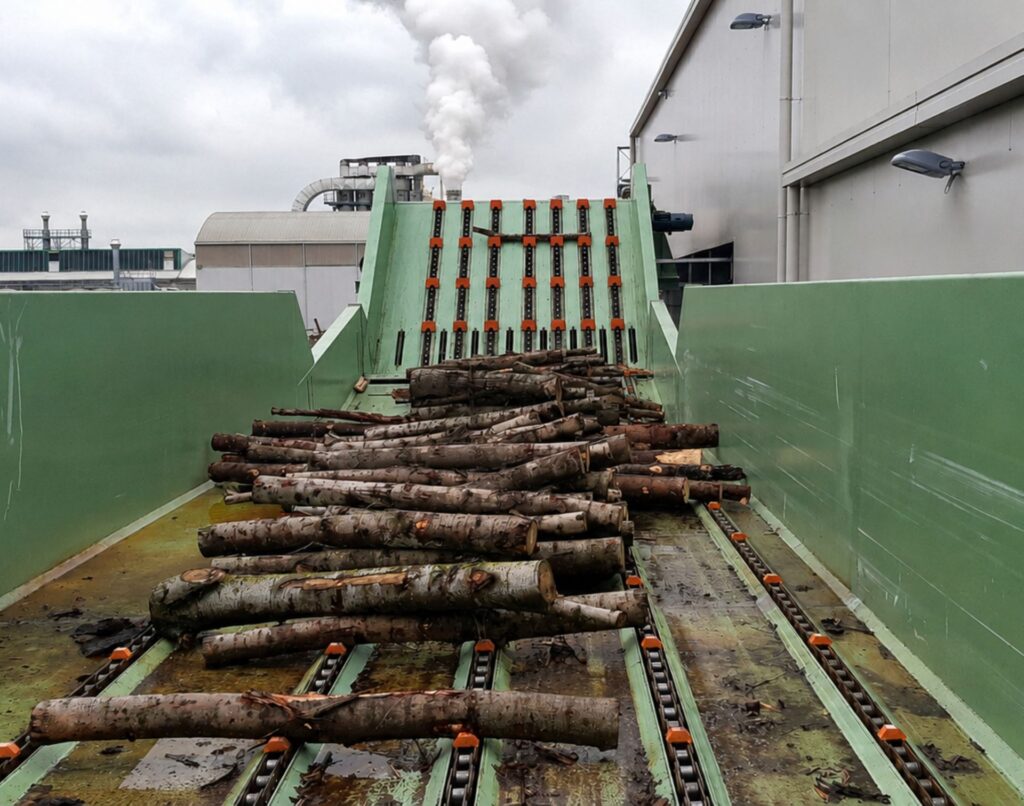
Types of machinery included in the CMS log-sawing lines
  • cross conveyor for log storage and transport
  • cross conveyor for log separation
  • various types of loading systems for sawmill carriages:
    • traditional systems with a half-moon rotary connecting rod (softwoods)
    • systems with a lifting mechanism from below to protect the carriage (hardwoods)
    • system with liftable chains to guide the log
  • sawmill log discharge roller conveyor for double-cut sawing
  • sawmill log discharge roller conveyor complete with accessories such as:
    • guide arms
    • fixed or liftable side discharge chains
    • material discharge barriers
    • liftable chains for reloading sawn timber onto the sawmill carriage
  • log conveyor for the sawing line, complete with accessories such as:
    • fixed or liftable side unloading chains
    • material unloading barriers
  • transverse chain conveyors for sawn timber
  • log deceleration systems
  • material collection chutes
  • chain or hydraulic beam lowering devices
Key technical specifications
  • Customised design tailored to the layout and specific operational requirements
  • Reduction in the number of operators
  • Increased productivity thanks to a continuous flow of material
  • High-strength heavy-duty steel structures, designed to minimise maintenance and ensure a long service life